

EMDR Therapy Intensives
More support over less time leads to faster relief
Sometimes the traumatic stress “stuck” in our nervous system is beyond the reach of our best self care strategies, not responding to other types of therapy, or unresponsive to our spiritual practices. Or maybe it’s just something you’ve been carrying for a really long time.
You are not broken.
〰️
Struggling to move past it does not make you a bad person.
〰️
And transformation might be closer than you think.
〰️
You are not broken. 〰️ Struggling to move past it does not make you a bad person. 〰️ And transformation might be closer than you think. 〰️
What is an EMDR therapy intensive?
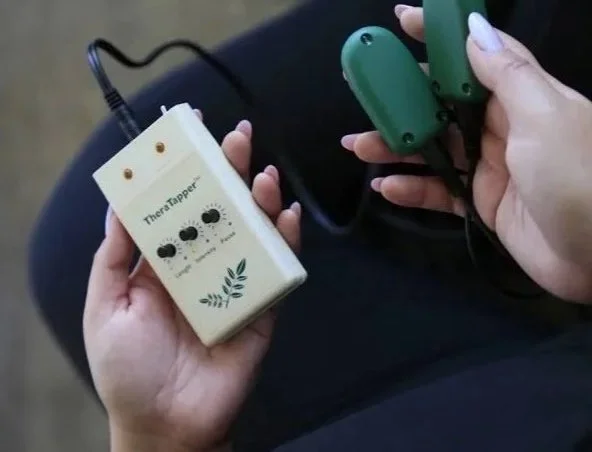
More than just months of therapy packed into a day or two, an EMDR intensive is a unique application of EMDR (Eye Movement Desensitization and Reprocessing) that can provide rapid symptom relief and transformative shifts in your brain and body. Without the pressure of the clock, you can tune into your system and work toward your specific goals in a shorter period of time.

The benefits of EMDR intensives include:
faster relief from distressing symptoms
more efficient use of therapy time without the stop-start rhythm of short weekly sessions
concentrated time to more deeply explore what is keeping you stuck
more flexible scheduling
possible long-term cost savings for clients who end up needing fewer hours of intensive therapy than they would have on a weekly one-hour schedule
greater accessibility for out-of-town or out-of-state clients
EMDR is not without some risk, though EMDR has been widely studied and your therapist is highly trained to adapt the practice of EMDR to your specific situation. The risks of EMDR intensives include:
the experience of overwhelming emotions that feel difficult to manage
physical discomfort as trauma stored in the body processes through
continued processing after the conclusion of the session
Because the brain is so complex and every situation is unique, the results of EMDR cannot be guaranteed.
Is an EMDR intensive right for me?
You may be ready to schedule an intensive if…
You have experienced a trauma or chronic stress.
You’re ready to do the deep work.
You are looking for faster relief than an hour a week can provide.
It’s easier to take a day off than make a weekly appointment.
You already have some healthy coping strategies, but still feel stuck.
You have some supportive relationships around you.
You are already in therapy, and have identified a specific goal to address with EMDR (though this is not required).
An intensive might not be the right model for you right now if you are lacking stability in basic needs such as housing or safety, or if you do not have any supportive relationships around you to support the healing process. Intensives are a private pay service and are not covered by insurance.
If you are currently dealing with ongoing addiction, other risky behaviors, active suicidal ideation, or hallucinations, please bring up these issues specifically with the therapist.
What to expect:
Pre-Session Consultation
Book a free 15-30min consultation call to understand if an intensive is right for you. The therapist will ask some screening questions and you can get your questions answered as well.
Pre-Session Paperwork
The information you provide on the Client History Form and EMDR Questionnaire allows the therapist to prepare for your session. These forms as well as a consent for treatment and a notice of privacy practices will be made available to you via online portal after you schedule your intensive session(s). Please complete these forms at least 48 hours before the start of your session.
Targeted Treatment Planning
You will work with your therapist to establish goals for your EMDR intensive. Your goals may be focused on symptom reduction, working through a specific traumatic experience, or developing personal insights. Goal setting starts in your consultation call and is clarified at the start of your meeting time.
Building Resources for Nervous System Safety
Using a variety of strategies, you will work with your therapist to establish a sense of calm and safety for your nervous system to facilitate healing and improve the effectiveness of reprocessing work.
Addressing the Trauma
Your therapist has extensive skills and training to help you engage your trauma in a way that is effective for bringing resolution and minimizes the risks of retraumatization. Engaging trauma can be challenging work, but the intensive will move at the pace of your nervous system to promote healing and avoid overwhelm.
Scheduled and Spontaneous Breaks
Your therapist will build in breaks for deep breathing, verbal processing, and creative expression to accompany the heavy emotional work of EMDR reprocessing. Depending on your session length, breaks for snacks, meals, and short walks may also be built into your package. Always notify your therapist if you need a break during a session.
Creative Expression
You don’t have to consider yourself “artistic” to benefit from creative expression. Trauma is often stored in areas of the brain that are not accessible by language, but may be reached through creativity. If you have a favorite creative outlet, be sure to notify your therapist in your consultation call.
Tangible Relief
Many clients experience shifts in their thoughts, feelings, and physiological sensations during their session and in the weeks that follow. Clear goal setting and symptom awareness help to track the effectiveness of your EMDR intensive. EMDR is known for quick resolution of PTSD symptoms, and works most quickly with single-event traumas that are not complicated by ongoing toxic stress or ongoing childhood traumas. These more complicated presentations of C-PTSD can also be effectively treated with EMDR, but typically need more time to process through. See below for different intensive options based on your needs.
Session Recovery
EMDR therapy opens memory networks in the brain that are holding onto trauma, and these memory networks do not immediately close just because you left the building. Most clients feel fatigued after engaging in trauma work, and some clients also notice vivid dreams, heightened emotionality, or just feel “off” for 1-3 days after EMDR reprocessing. If you have concerns or questions about your symptoms, always reach out to your therapist.
Follow Up Integration Call
Your therapist will schedule a follow up phone call 7-14 days after your EMDR intensive to evaluate your progress toward your goals, help you process your experience, and help you integrate this experience into your life.

Intensive Packages
Includes 3 hours of processing time and a 15min break halfway through.
Best for: single incident adult-onset trauma, performance anxiety, traumatic accidents or near misses
Life was going fine when suddenly something knocked you off balance and you’re having a hard time moving on. You already have a specific incident in mind.
Half-Day Refresh (3 hr) $700
Includes 5 hours of processing time split up by a 1 hour lunch break (3hrs am, lunch, 2hrs pm).
Best for: relational trauma, complicated grief, triggers with unclear sources, childhood traumas with an otherwise stable childhood
You’ve been carrying these burdens for a long time and wondering if there is a way to heal some of what keeps weighing you down.
Full-day Reset (5 hr) $1,100
Includes 8 hrs split up over two days. Can be scheduled as 5+3 or 4+4.
Best for: complex or developmental trauma (C-PTSD), inability or fear of emotional expression, dissociation
Your present day world is built on a traumatic foundation and it impacts your ability to function normally, to feel feelings, or both.
Two-day Recovery (8 hr) $1,700
Combination packages - discussed case by case with the therapist
If you expect to need more support than the Two Day Recovery Package offers, we can discuss scheduling intensive sessions on consecutive weeks. Giving your system a week to recover and adapt after intense trauma work can help solidify gains and clarify which areas still need attention.
Extended support may be indicated for complex histories, and clients who are working to expand their windows of tolerance.
FAQs
How can I feel safe while doing this work?
1
Feeling safe while engaging in trauma work is a fundamental part of healing. Safety is built on a trusting relationship with the therapist, your trust in the EMDR Intensive model, and resourcing practices that you will learn in the intensive. These three elements look a little different for each person. Your therapist is happy to answer any questions you have about safety in your free consultation call.
Can I use my insurance?
2
Insurance companies do not cover therapy intensives yet. Intensives are a private pay service. Many clients can use HSA funds. Payment is due at time of service.
So it’s a really long therapy session?
3
Intensives are a unique application of EMDR that is carefully structured to address the goals of the client. The therapist will incorporate somatic strategies, creative expression, and treatment titration to mitigate the intensity of trauma processing, which are unique to the intensive model.
What happens after the intensive?
4
You can expect to feel more tired immediately after your session and up to 2 days afterwards. Some clients also experience other after-effects from EMDR. If you have concerns that arise in those 2 days after your intensive, you can call or text the therapist for support. You will have the opportunity to schedule a follow up call 7-14 days after your intensive.